
01
Property sale
Pricing, presentation, marketing and transaction coordination.
REAL ESTATE INVEST · ESTONIA
REI24 helps owners sell property through an estate agent and coordinates specialist alternatives when the circumstances require them.
Free preliminary price range
Send the key facts. We will provide an initial price range together with an individual estate agency service proposal.
Real-estate services
The service and exact scope are selected after the objective, property and documents are understood.
Pricing, presentation, marketing and transaction coordination.
Tenant search and a clear, documented letting process.
Focused support for finding and comparing suitable property.
A direct purchase proposal for owners who want to agree the price and transaction timetable with the buyer.
A property sale with the terms of a possible later buyback recorded in the agreement.
Selling process
The owner makes every material decision. The estate agent prepares information and keeps the process moving.
We review the property, documents and the owner’s desired timing.
A price range and asking-price approach are explained using relevant comparisons.
The agreed presentation, enquiries, viewings and feedback are coordinated.
The accepted offer, documents and handover conditions are prepared for the transaction.
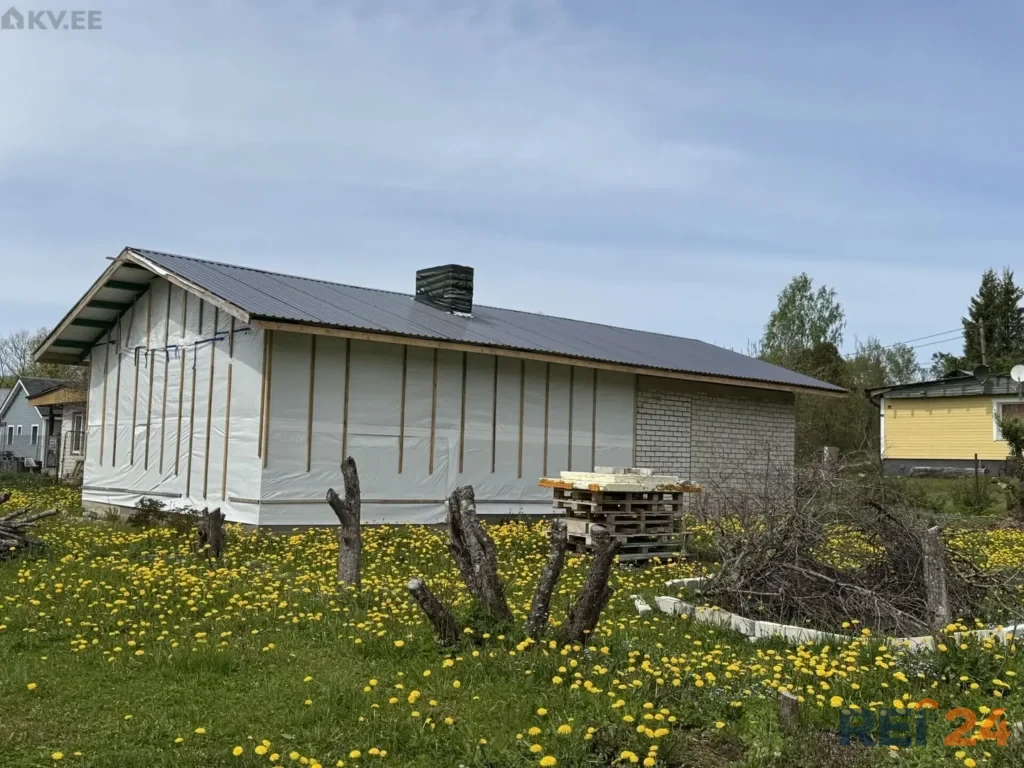
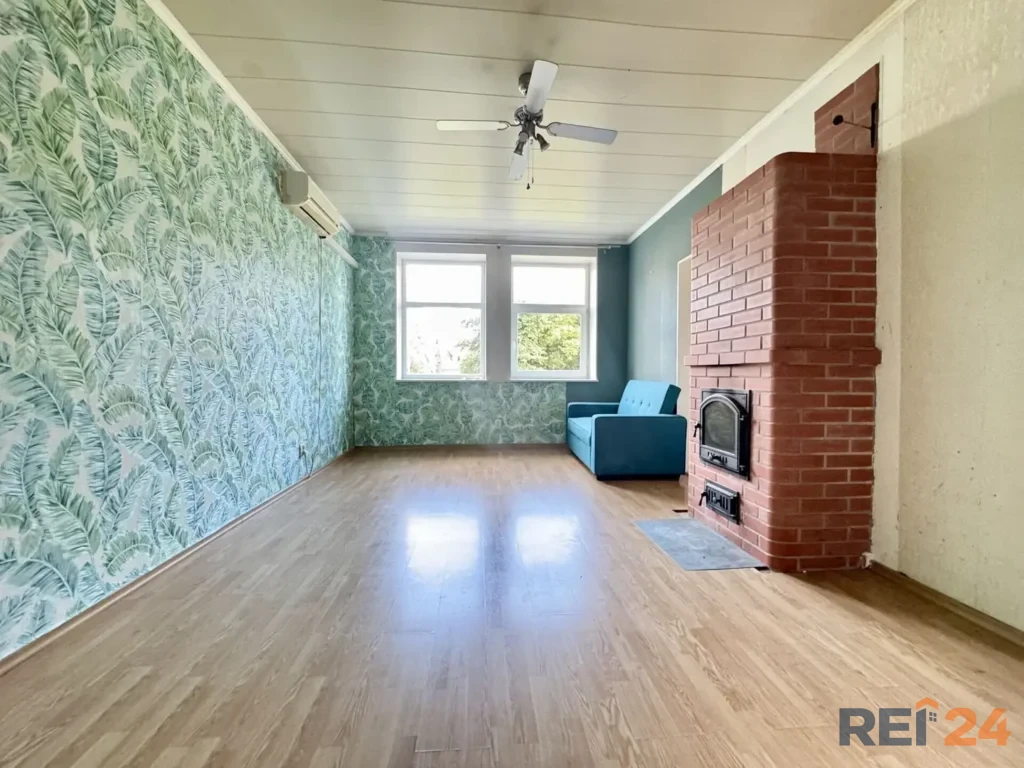
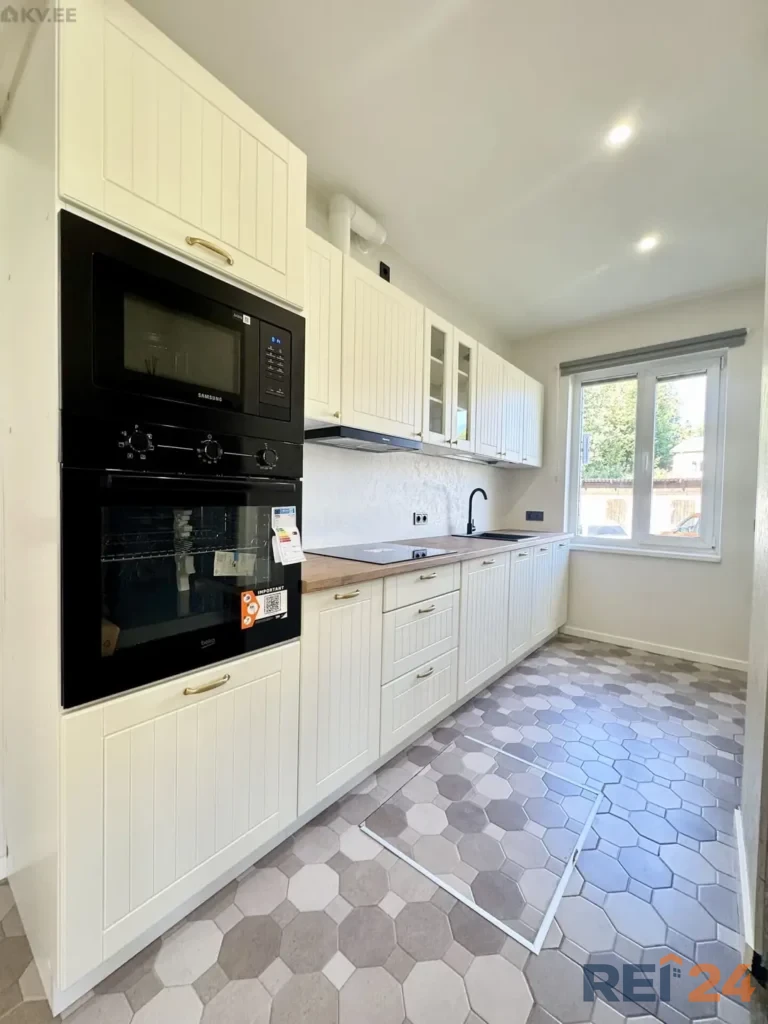
Tallinn

REI24’s main service is the sale of property through an estate agent. The starting point is the owner’s objective: what is being sold, why the sale is being considered, what timing matters and which decisions are still open. You may already have an asking price in mind or may simply want to understand what the property could sell for. An initial enquiry can be useful in either situation and does not require you to sign a selling agreement first.
The website separates the available routes so that you can choose the relevant conversation. Brokerage sales, letting, property search, a direct quick purchase and a sale with a possible later repurchase have different purposes. Their costs and conditions should be assessed separately. The ordinary brokerage route remains the main starting point for an owner who wants to present a property to the market and compare buyer interest before deciding on an offer.
The sales enquiry asks for the key property details and your desired price. Photographs can help explain condition, but they are optional at the first stage. Provide the address, type and any information you already have about the property’s size and use. If a figure is approximate or a document is missing, say so. An accurate explanation of the limits of your information is more useful than a precise answer based on guesswork.
The response is intended to distinguish a preliminary selling-price range from the proposed estate agency service. The range concerns the property and the evidence available. The service proposal concerns the work to be done and its cost. A preliminary opinion is not a formal valuation or a guaranteed sale price. Before relying on it for a particular decision, clarify what has been reviewed and which assumptions still require a viewing or document check.
A brokerage assignment should identify the responsible contact, the agreed work, the fee and when payment becomes due. Preparation may include a price discussion, photographs, a floor plan, listing text and the organisation of viewings. The exact scope and any optional expense are agreed for the property. Additional formats such as video or a virtual tour should have a clear purpose and should not be assumed to form part of every proposal.
Discuss how the owner approves the advertisement, price changes and an accepted offer. Agree how feedback will be provided and what happens if the intended timetable changes. Clear responsibilities are particularly important where several owners are involved or a family member manages access. The agent can coordinate the process within the assignment, while the people authorised to decide retain control over the transaction and its terms.
A useful listing combines an accurate description with information a buyer can verify. Explain layout, condition, heating, storage, parking and occupation. Distinguish an owned parking space from a shared-use arrangement, and a documented alteration from work that still needs clarification. The aim is to help a suitable buyer assess the property, not to create an impression that will have to be corrected during a viewing.
Prepare representative running-cost information and relevant building documents. For an apartment, the shared building and association can affect the decision as much as the interior. For a house or plot, access, utilities and planning information may be central. Where a material issue needs technical or legal interpretation, identify the appropriate specialist. An agent’s coordination and an independent professional assessment serve different parts of the preparation.
The catalogue shows currently published properties and allows you to narrow the selection by location, type, price, area and rooms. Open a listing to review its details and contact the team about that property. Availability and conditions should be confirmed before you make travel or moving arrangements. An enquiry through the page starts a conversation; it does not reserve the property or establish an agreement to buy it.
The team directory provides a route to the broker profiles and their linked properties. When contacting a broker, explain your task and preferred language. The site is available in Estonian, Russian and English, and corresponding pages are linked through the language switcher. If your question concerns a particular property, keep its reference or page link with the enquiry so that the response addresses the correct listing.
An owner deciding against an immediate sale may want to discuss letting. That conversation should cover the property’s condition, intended tenancy, proposed rent, recurring expenses and the work included in the letting assignment. Ongoing management is a separate scope to clarify. Finding a tenant does not remove the owner’s continuing responsibilities or guarantee future payments, so the agreement and handover deserve careful preparation.
For a buyer, the search service starts with a usable brief. Define location, budget, layout, intended use and timing, separating essentials from preferences. Compare the total practical cost of shortlisted properties rather than their asking prices alone. Viewings, document questions and any specialist checks should support a considered purchase decision. If no listing currently matches, the brief can be reviewed without assuming that the entire market is represented by one catalogue.
A direct quick purchase can be discussed when timing or the circumstances of the property make an ordinary marketing process less suitable. It is a purchase proposal from a specific party, with its own price, conditions and timetable. Compare the expected remaining proceeds and practical terms with the alternatives available to you. A promise about speed is meaningful only when the remaining checks and required documents are understood.
A sale with a possible later repurchase requires a separate assessment. The initial sale changes ownership, while any continued occupation and later purchase depend on their own documented conditions. The future price, deadline, payments and consequences if plans change need to be clear before a decision. Use the dedicated enquiry to describe the property and intended arrangement, then review any proposal on its actual terms rather than its name.
The advice section explains common questions about pricing, documents, the notary, tax, inherited property, shares, tenants and property needing work. It also addresses payment difficulties, auctions and association arrears. Use the articles to identify the facts and questions relevant to your situation. They provide a preparation framework alongside links to official information, rather than a conclusion about an individual transaction without seeing its documents.
When you are ready to discuss the next step, send the property details and your objective through the relevant form or the company contact route. Include your desired timetable and any issue that may affect ownership, occupation or preparation. The useful outcome of the first conversation is a clear account of what can be assessed now, what needs investigation and what a proposed service would involve.
REI24 advice
Articles link official sources to practical property-sale questions.
Struggling with housing costs? Organise outstanding bills, compare property-sale options and estimate the amount left after the transaction.
Read article →Voluntary auctions and enforcement sales in Estonia: check the terms, handover arrangements and options for a sale under a bailiff’s supervision.
Read article →Selling an apartment with association arrears in Estonia: request a balance statement, check buyer liability and agree payments and final bills.
Read article →