REI24
Property for sale in Estonia
Find a property by location, type, price and floor area. Each listing has its own page with photographs and contact information.
Properties found: 6
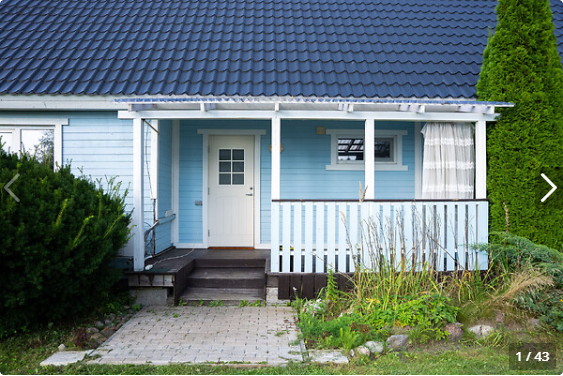
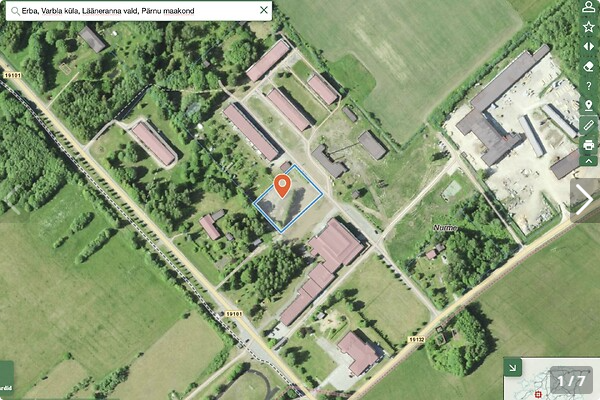
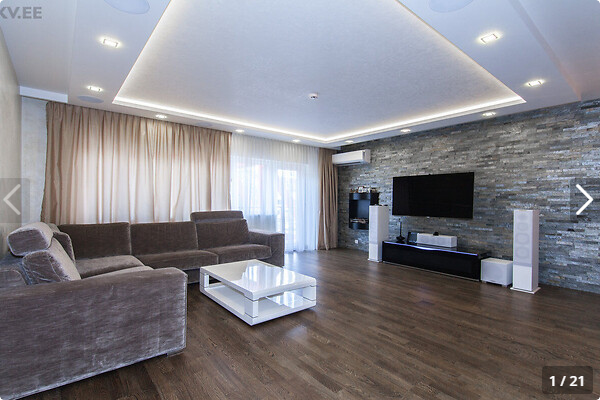
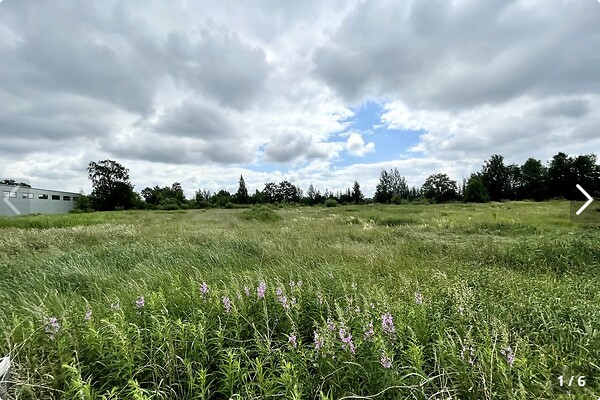
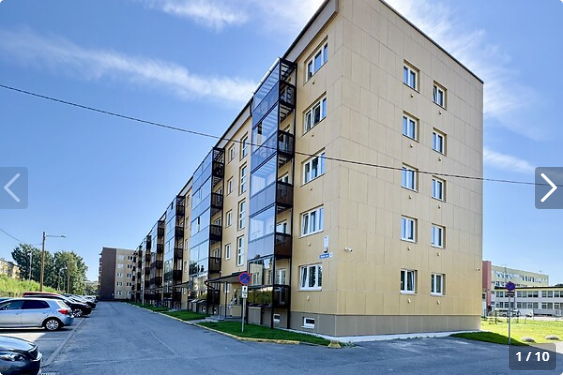

Use the catalogue to build a shortlist
The catalogue brings together the property listings currently published by REI24. Each listing has a separate page so you can review the photographs, characteristics, description and contact information before making an enquiry. Start with a small number of requirements that genuinely affect your decision. A search becomes easier to manage when you distinguish an essential location or room arrangement from a preference that could be changed after purchase.
The available results depend on the properties actually offered at the time you browse. An empty result does not mean that no suitable property exists anywhere in the market. It means that no currently published listing matches the selected conditions. You can adjust the filters or describe your requirements through the property-search service. A specific enquiry about location, budget, intended use and timing is more useful than a general request to send everything available.
Select a location at the right level of detail
Use the location filter to narrow the list, then examine the actual setting of each property. A city or municipality can contain very different living environments. Check the address information, approach to the building and routes relevant to your everyday life. When more detailed location information is needed, ask the responsible contact rather than filling a gap with an assumption from a nearby landmark.
Compare properties according to how you would use them. A shorter distance to the centre may be less useful than a convenient route to work or school. Consider access, parking, public transport and the surroundings at relevant times of day. For a house or plot, distinguish the physical road from the documented right to use it. The location label helps organise browsing; it does not replace these property-specific checks.
Read the price and area filters together
Set a price range that leaves room for transaction expenses, moving and work you may need to carry out. The advertised price is not a complete ownership budget. A property with a lower asking price can require substantial repairs or have running costs that affect affordability. Read the description and ask for supporting information before treating two prices as directly comparable.
The area filter helps narrow the selection, but the layout and the source of the area figure also matter. A larger property may include space that is less useful for your needs. Check whether the stated figure refers to the recorded area and how balconies, storage or other spaces are described. If the listing leaves a point unclear, ask before relying on the number in a comparison or making an offer based on it.
Choose property type and rooms deliberately
An apartment, a house, land and a co-ownership share involve different questions. The property-type filter identifies the broad category; the individual page should explain what is being sold. In particular, a share is not automatically a separately owned apartment or a defined physical part. Review the description of ownership and any usage arrangement when that distinction matters.
The room filter narrows the number shown in a listing, but it does not explain whether rooms are independent, how daylight is distributed or whether the layout can accommodate your household. Examine the floor plan where available and ask about alterations. Do not assume that a current arrangement is properly documented merely because a photograph shows it. A viewing and a document review answer different parts of the same question.
Understand sorting and listing status
Sorting can show recent listings first or arrange the available properties by price or floor area. Use it to navigate the selection rather than infer quality or value. A property appearing at the top of a price sort is not necessarily the best fit, and a recently published listing is not a guarantee that all your preferred viewing times are available. A price marked as available on request requires a separate discussion before a meaningful financial comparison can be made.
The status indicates whether a published property is offered for sale or shown as reserved. A reservation can have its own conditions, so contact the responsible person if you need to clarify availability. Sold properties are excluded from the active catalogue. If you have retained an older link, read the status on the individual page and confirm the current position before arranging travel or making plans around it.
Review the individual property page before enquiring
Open the property page and compare the description with the photographs and characteristics. Note any missing information that is material to your decision. Examples include the basis for a parking space, the condition of shared building systems, current occupation and the earliest realistic handover. A precise list of questions helps the agent prepare a useful response and avoids repeating facts already available on the page.
The enquiry made from a property page identifies the relevant listing for the team. Include your question, intended timing and preferred way to be contacted. If you would like a viewing, suggest suitable periods without assuming an appointment is confirmed until you receive a response. The form starts a conversation about the property; it does not reserve it, establish a purchase agreement or grant authority to act for you.
Compare shortlisted properties on a common basis
Keep a simple comparison sheet for the strongest options. Record price, practical location, layout, condition, recurring costs, documents reviewed and questions outstanding. Separate a verified fact from an estimate or an assumption. This makes the eventual decision easier to explain, particularly when several people are choosing together or when visits take place over a longer period.
Before accepting terms, investigate material uncertainties with the appropriate professional. An agent can organise information and viewings, while a technical inspection, legal interpretation or formal valuation may require a separate specialist. If the catalogue does not yet contain a suitable match, use the search service to refine the brief. The aim is a property that fits an informed decision, supported by evidence about the actual object rather than by the order in which advertisements appeared.
Bring the shortlist and your unresolved questions to a viewing. If several people will make the decision, agree the evaluation criteria in advance so that each visit answers the same practical questions. After the visit, update the record while the details are fresh. A photograph may remind you of a room, but it will not reliably preserve an explanation about shared expenses, ownership or the timing of possession.